In live television, precision is everything, and at Telefe, every second on air depends on perfect synchronization between creativity and technology. Under the direction of Pablo Tassara, the channel’s lighting team found in MA Lighting an ally that combines power, stability, and artistic freedom, redefining the visual narrative of Argentine television.
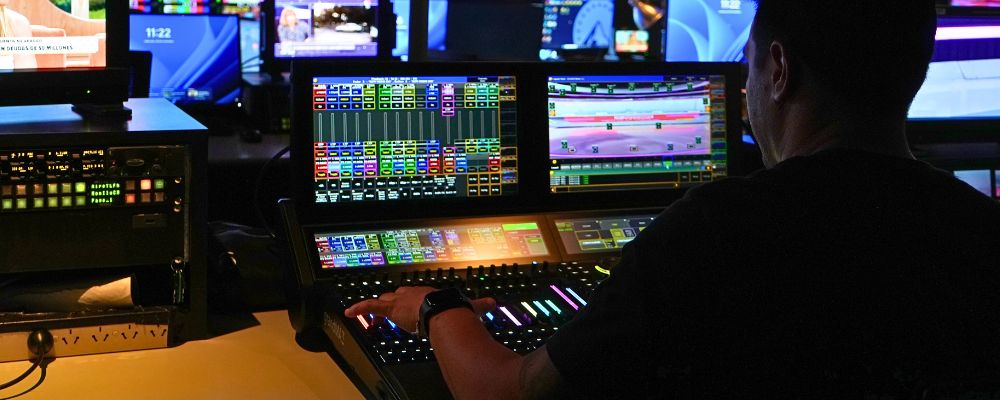
In an environment where immediacy defines the rhythm of television, light does more than illuminate: it builds narrative. In Telefe’s studios, every transition, every scene, and every show depends on a technical framework that combines art and precision. At the heart of this system, MA Lighting has become a key tool to ensure fluidity, stability, and limitless creativity.
Since 1996, Pablo Tassara has been immersed in the world of lighting, combining technical and artistic aspects in every project. His career began in television and theater productions, an environment that allowed him to develop a comprehensive perspective on the role of light in audiovisual storytelling. Over time, he specialized in control systems, console design, and operation, taking part in musical shows, live productions, and large-format programs.
Today, Tassara leads the lighting department at Telefe, where he oversees both daily operations and the technical planning of the channel’s studios.
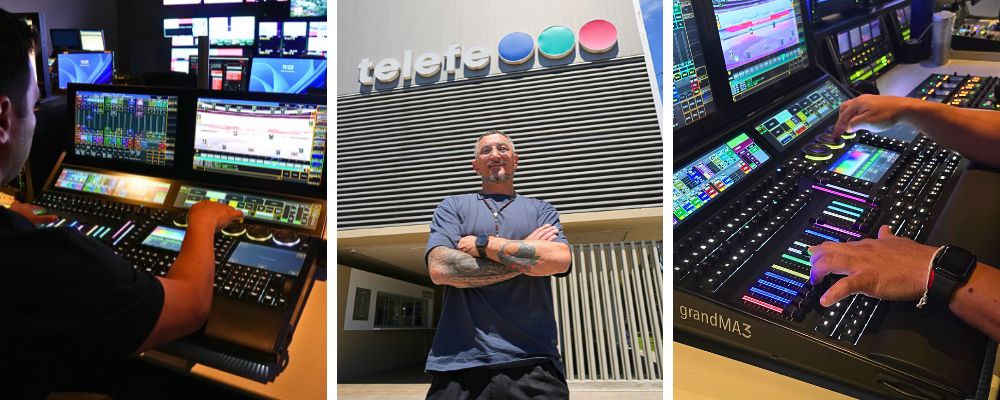
His relationship with MA Lighting began several years ago, when he started working on productions where grandMA consoles had already established themselves as an international standard. “From the first contact, what caught my attention was the system’s stability and the programming logic, which is very well designed for complex environments,” he recalls.
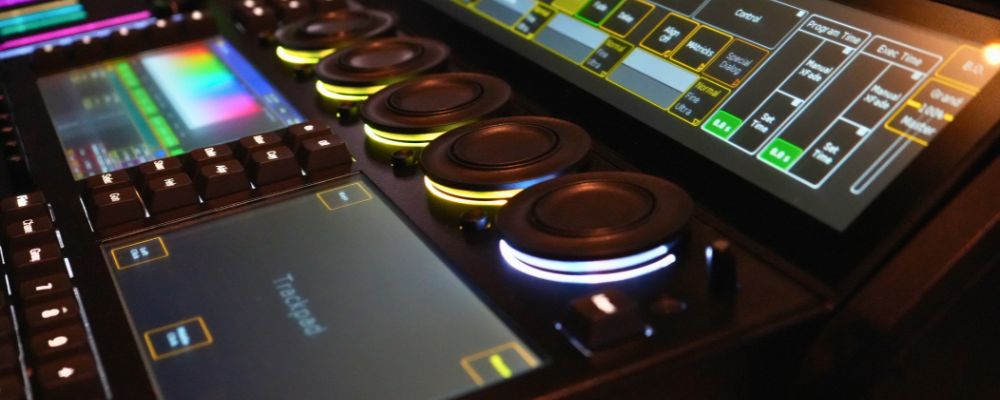
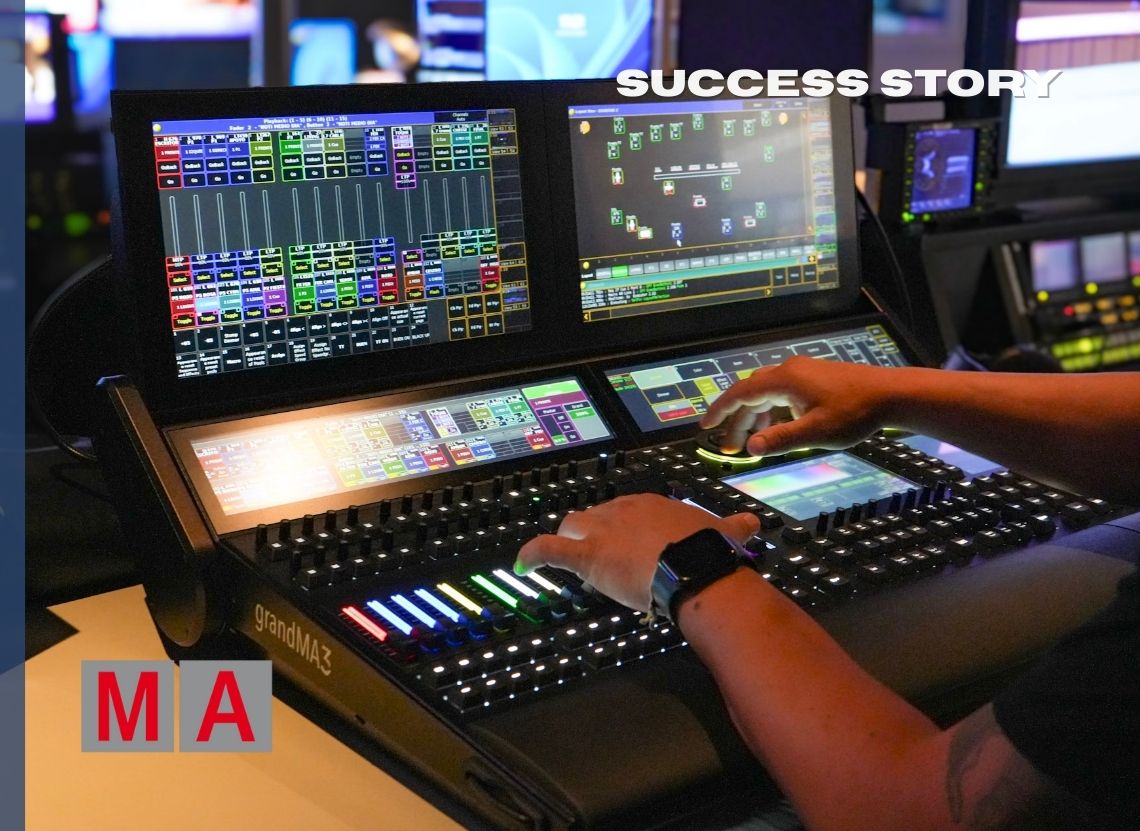
Currently, Telefe operates several grandMA3 light and grandMA3 compact consoles, as well as onPC stations dedicated to backup and preprogramming. This system is distributed across the channel’s main studios and mobile units, allowing for a homogeneous, stable, and reliable operational workflow—something essential for a broadcaster that produces live content every day.
Pablo Tassara leads a team that understands lighting as a visual language that must adapt to the speed of modern television. With more than two decades of experience, Tassara found in MA Lighting “a work philosophy adaptable to any situation,” capable of responding to the daily demands of one of the most important media outlets in the region.
“Lighting plays a central role in the channel’s visual identity,” explains Tassara. “MA control integrates perfectly into the workflow, facilitating previsualization, scene automation, and quick adaptation to changes in scripts or set design.” In an environment where there is no margin for error, system reliability is just as important as creativity.
One of the greatest contributions of grandMA3 to television work is its precision in controlling luminaires and pixel-based effects, representing a significant leap compared to previous generations. In productions where LED strips and dynamic visual surfaces are common, this capability makes a tangible difference in the quality and fluidity of the lighting.
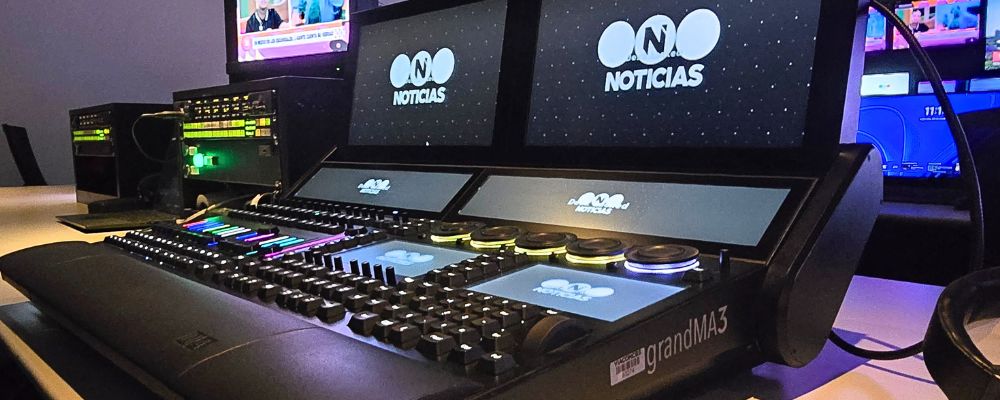
The Phasers effects engine has become a key tool for generating more elaborate lighting movements and transitions, while compatibility with NDI (Network Device Interface) allows direct access to video signals, graphics, and cameras, integrating lighting operation with the rest of the audiovisual environment.
“With grandMA3 Phasers we achieve much more complex effects in less time, and thanks to the NDI function we can control pixel devices with absolute precision,” acknowledges Pablo Tassara.
“The grandMA3 tools allow us to program scenes with greater speed and reliability, which is crucial in live television,” he comments. “There are features that require practice to fully take advantage of them, but once you master them, the performance they deliver is impressive.”
With a robust architecture designed for total integration between lighting, video, and digital content, grandMA3 establishes itself as an indispensable ally for an increasingly visual, dynamic, and synchronized television landscape.
One of MA Lighting’s greatest strengths is its unified ecosystem. The consoles allow data sharing, template creation, and network-based programming, optimizing resources and production times. In addition, its precision in control via MIDI or timecode ensures perfect synchronization between lighting, music, and video—something essential for live formats.
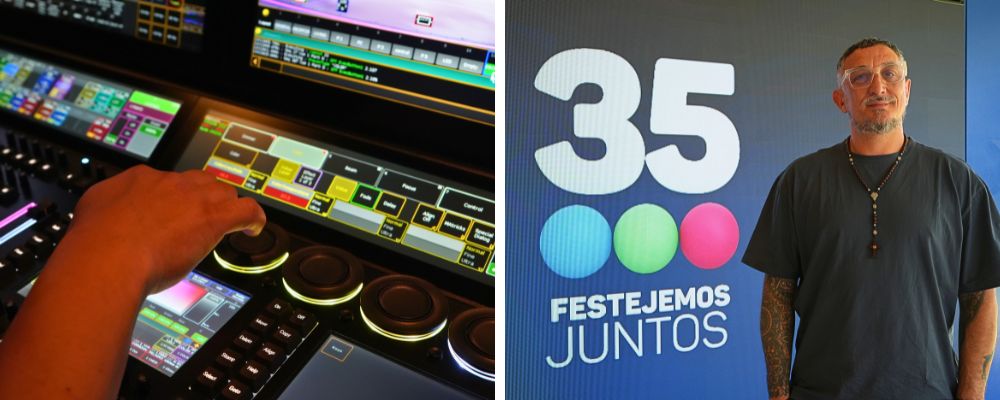
“The flexibility of the system is one of its greatest virtues,” adds Tassara. “We can operate a daily program in a studio or a massive outdoor show using the same working logic. The onPC software allows us to preprogram without occupying studio consoles, streamlining the simultaneous production of multiple projects.”
Among the features most valued by Telefe’s technical team are the stability of the operating system, the power of MA-Net3, and interface customization, along with creative tools such as Phasers, which allow dynamic effects to be generated without the need for external servers.
But beyond the technical aspects, Tassara highlights the human and creative impact: “Having such a robust system frees the operator’s mind. It allows us to focus on the artistic side, on aesthetics, without being constrained by technical limitations. The result is more dynamic and visually coherent productions.”
“The new generations of consoles, such as grandMA3, are already prepared for this hybrid workflow. MA Lighting will continue to set the direction because it combines innovation, scalability, and a forward-looking vision.”
In an industry where every second counts, Telefe reaffirms its leadership by investing in technology that not only illuminates, but also shapes emotion on screen.