
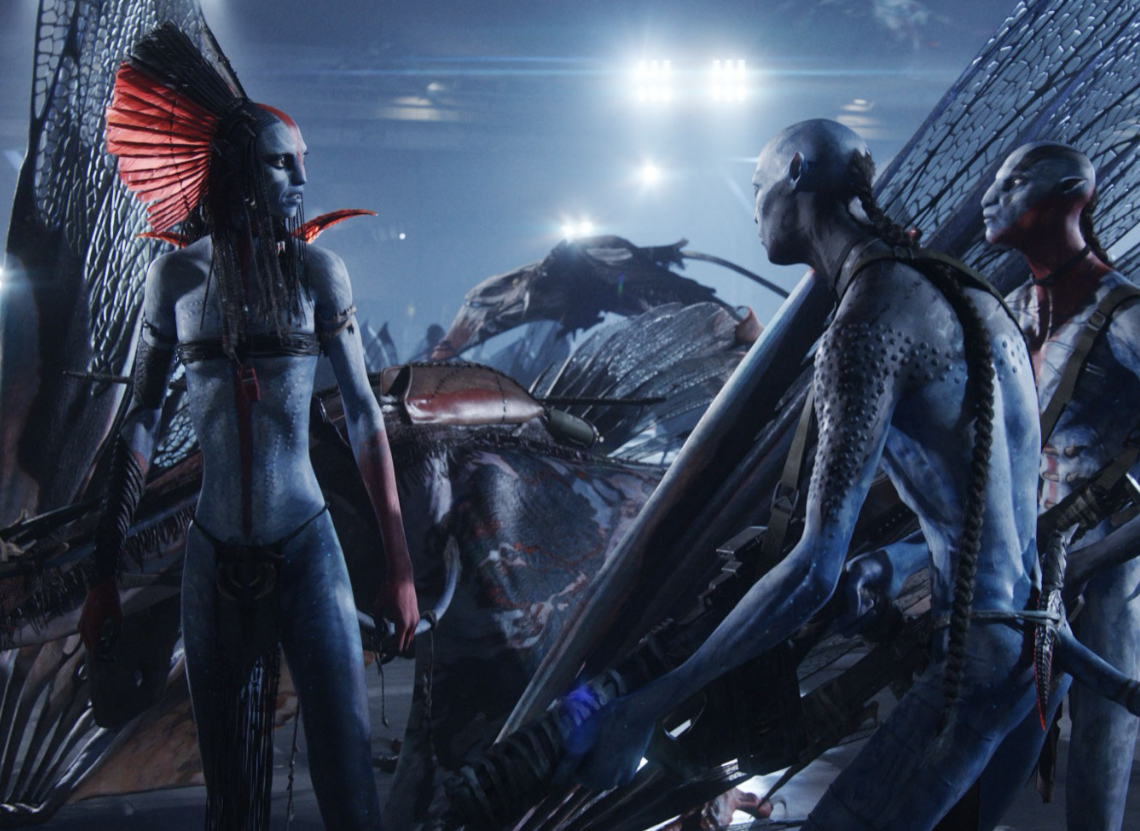
USA – Blackmagic Design today announced that colorist Tashi Trieu used DaVinci Resolve Studio editing, color grading, visual effects (VFX) and audio post production software for “Avatar: Fire and Ash,” delivering an expanded set of theatrical masters while maintaining a consistent creative intent across formats.
With “Avatar: Fire and Ash,” Director James Cameron takes audiences back to Pandora in a new adventure centered on Jake Sully, Neytiri and the Sully family. Produced by James Cameron and Jon Landau, the film continues the franchise’s tradition of pushing premium theatrical presentation.
Returning to the series after his work on “Avatar: The Way of Water” and following the remastering of most of Cameron’s earlier films, Trieu brought that long runway of collaboration into the color grade, with a strong sense of what Cameron responds to creatively and how he likes to work. “As always, Jim’s plan dictated that a number of different exhibition masters be created, with variations on light levels, frame rates, aspect ratios, etc., all in the service of every audience member seeing the optimal presentation, regardless of what theater they’re in,” Trieu noted.
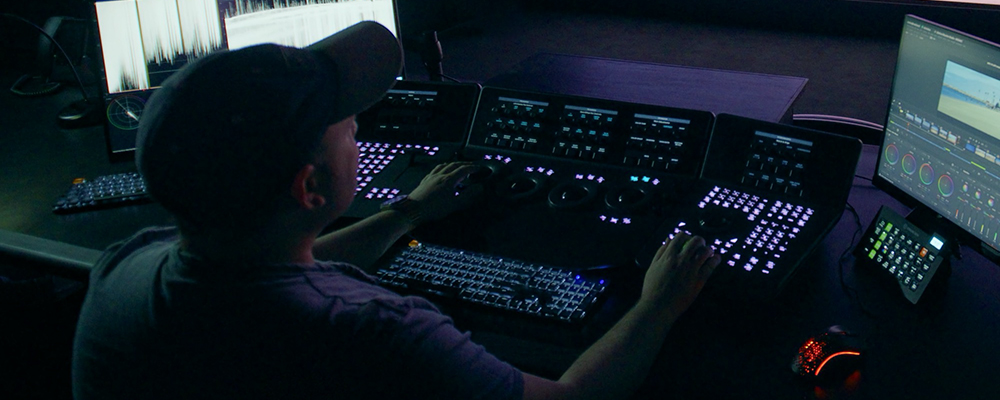
“My job is twofold: fulfilling Jim’s aesthetic vision for the film and maintaining creative parity across all these different versions, which are each tailored for various exhibition formats to maximize audiences’ experiences,” said Trieu. “We go the extra mile to ensure audiences have the best experience they can.”
Building on the record setting deliverables of “Avatar: The Way of Water,” Trieu needed to accommodate an expanded theatrical mastering pipeline for “Avatar: Fire and Ash,” including HDR by Barco in both 2D and 3D, bringing the total to 16 discrete theatrical masters. The feature was divided into 15 reels, with each reel managed as its own DaVinci Resolve Studio project and built out into multiple timelines for delivery.
Dolby 3D served as the hero grade, with other versions derived and trimmed to their specific presentation targets as reels approached final sign off. To stay organized across the deliverable set, Trieu standardized on a fixed node tree with dedicated sections for technical fixes, hero grades and trims, and relied on DaVinci Resolve Studio’s tools that made it easier to track exactly what changed during review sessions.
With multiple timelines in play, Trieu also leaned on longstanding DaVinci Resolve Studio features like ColorTrace to propagate grading and sizing changes across versions, particularly where deliverables shared aspect ratios.
To keep pace with VFX updates and stereo reviews, Trieu built an expanded library of DaVinci Resolve Studio custom scripts, including tools bespoke to the “Avatar” films. These scripts automated key update steps, allowing new shots to be conformed and changes spread across multiple versions with dramatically less manual work.
“With a single button press, I could index a timeline, import any new shots, stereo merge them, cut them in, copy grades, copy group assignments, and propagate the updates across multiple timeline versions,” Trieu said. “That way my time could be better spent on the creative process.”
Trieu also pointed to sequences where color continuity was especially critical, including a beach standoff lit by intense blue green spotlights and warm firelight, requiring careful balancing between wide shots and closeups to keep cuts from feeling visually jarring.
“Avatar: Fire and Ash” is now in theaters.


